Judging2025

Judging· Judge
Judging at Holiday AI Demo & Mixer
Judged The AI Collective Tri-Valley Holiday AI Demo & Mixer (Danville, CA).
Latest
The complete chronological feed across writing, projects, talks, and judging. Most recent first.

143 entries
Judged The AI Collective Tri-Valley Holiday AI Demo & Mixer (Danville, CA).
A working engineer's primer on the prompt patterns that actually move accuracy in production LLM systems: system-prompt structure, few-shot, chain-of-thought, structured output, and the anti-patterns that quietly hurt.
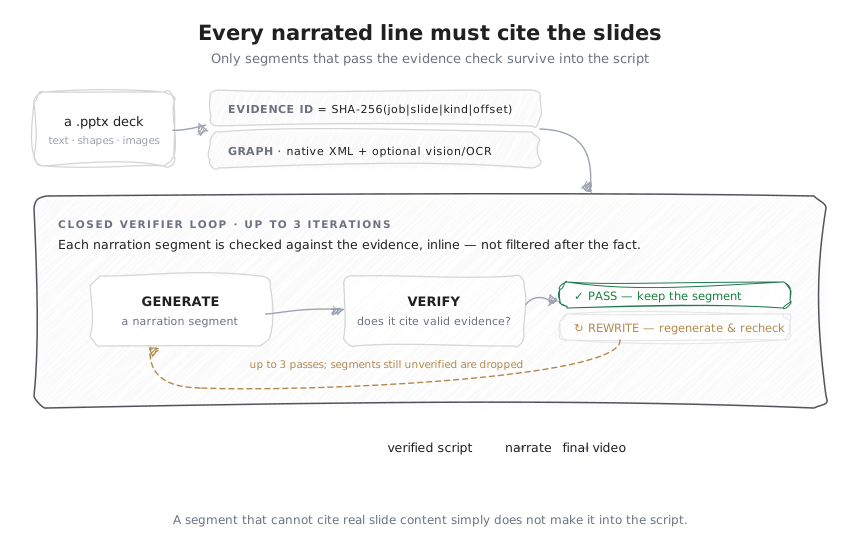
Hallucination-free PPT to narrated video
Converts PowerPoint decks into narrated explainer videos where every narrated claim traces back to specific slide content, using a content-addressable evidence index, a closed-loop verifier, and a dual-provenance knowledge graph.
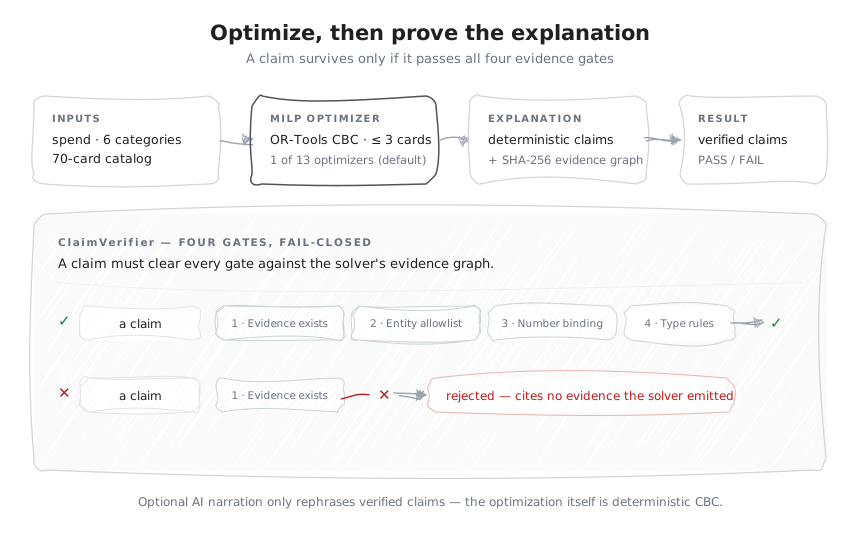
Credit-card portfolio optimizer with certified optimality
Credit-card portfolio optimization via mixed-integer linear programming, with solver-certified optimality and structurally verified explanations that cite only solver-emitted evidence.
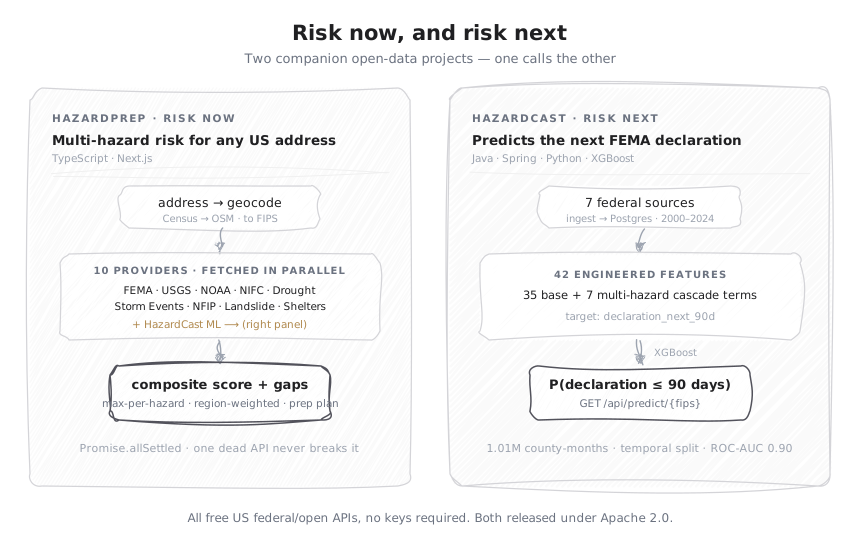
Multi-hazard risk, and a model that predicts it
A free, open-source multi-hazard risk assessment for any US address (HazardPrep) paired with an XGBoost engine that predicts FEMA disaster declarations up to 90 days ahead (HazardCast).
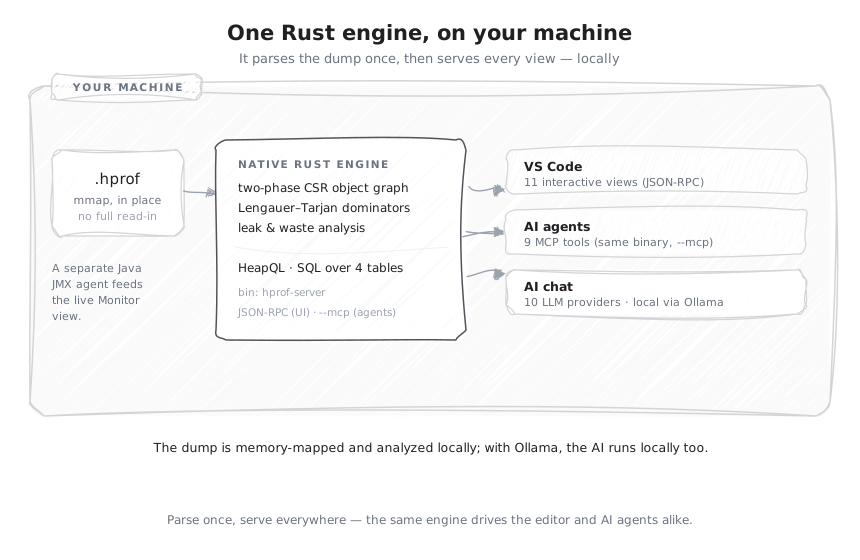
Java & Android heap-dump analysis in VS Code
A VS Code extension for Java and Android heap-dump analysis: a native Rust engine, 11 interactive views, a SQL-like query language, and an AI assistant, all running locally on production-sized dumps.
A walk through the Singleton pattern in Java, from lazy initialization to thread-safe and double-checked locking, the Bill Pugh approach, and enum-based singletons, including how each holds up against serialization and reflection.
A field-engineering note on the precision losses double quietly introduces in financial code, when BigDecimal is the right move, and the rounding patterns that keep statements reconcilable.
Ten Spark SQL capabilities with no direct Oracle equivalent, from anti joins and explode to higher-order array transformations, and where they simplify real data pipelines.
Five anti-patterns I see in production code review: why they matter for maintainability and reliability, and the minimal-cost refactors that close them without breaking calling code.